
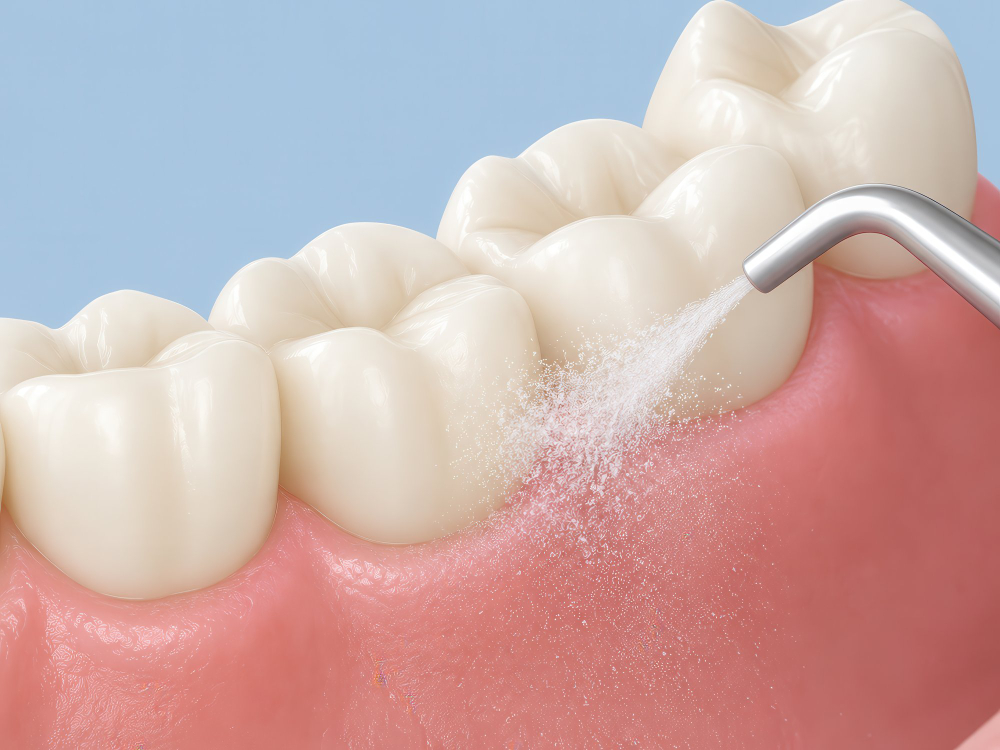
What Is Dental Scaling?
Dental scaling is a common dental procedure. It helps remove plaque and tartar from teeth. Plaque is a sticky film of bacteria. Tartar is hardened plaque that forms over time. Both can lead to gum disease if not removed. Professional teeth cleaning often includes dental scaling. Dentists use special tools to clean above and below the gum line. As a result, your mouth feels fresher and healthier.
Why Is Dental Scaling Needed?
Over time, plaque and tartar build up on teeth. Even with good brushing, some areas are hard to reach. Because of this, dental scaling is important. It helps prevent gum disease and tooth decay. According to the CDC, gum disease affects nearly half of adults over 30. Early treatment with scaling can stop problems before they get worse. In many cases, regular scaling keeps your gums and teeth healthy.
How Is Dental Scaling Performed?
During dental scaling, your dentist or hygienist uses special tools. First, they check your mouth for signs of gum disease. Next, they use a scaler to remove plaque and tartar. Sometimes, an ultrasonic device helps break up tough deposits. Water sprays help wash away debris. After scaling, your teeth may be polished for a smooth finish. The whole process usually takes less than an hour. For deep cleaning, more than one visit may be needed.
Benefits of Dental Scaling
Dental scaling offers many benefits. For example, it helps prevent gum disease and tooth loss. In addition, it can reduce bad breath. Here are some key benefits:
According to the World Health Organization, good oral hygiene is linked to better health overall. Therefore, regular scaling supports your well-being.
What to Expect During and After Dental Scaling
Before the procedure, your dentist may explain each step. While you may feel some scraping, it should not be painful. If your gums are sensitive, a numbing gel may be used. After scaling, your gums might feel tender or bleed slightly. This is normal and should improve in a few days. Sometimes, your teeth may feel more sensitive to hot or cold. However, this usually goes away soon. If you have questions, your dental team can help.
Aftercare Tips Following Dental Scaling
Proper aftercare helps your mouth heal quickly. For best results, follow these oral hygiene tips:
Because your gums may be sensitive, avoid smoking or using tobacco. These steps help your gums recover faster.
Possible Risks and Side Effects
Dental scaling is safe for most people. However, some mild side effects can occur. For example, you may notice:
These effects usually go away within a few days. If you have ongoing pain or swelling, contact your dentist. According to dental journals, serious problems are rare when scaling is done by a trained professional.
Prevention: Maintaining Oral Health After Scaling
After dental scaling, it is important to keep your teeth clean. Good habits help prevent plaque and tartar from coming back. To maintain oral health, try these steps:
With regular care, you can enjoy a healthy smile and lower your risk of gum disease.