
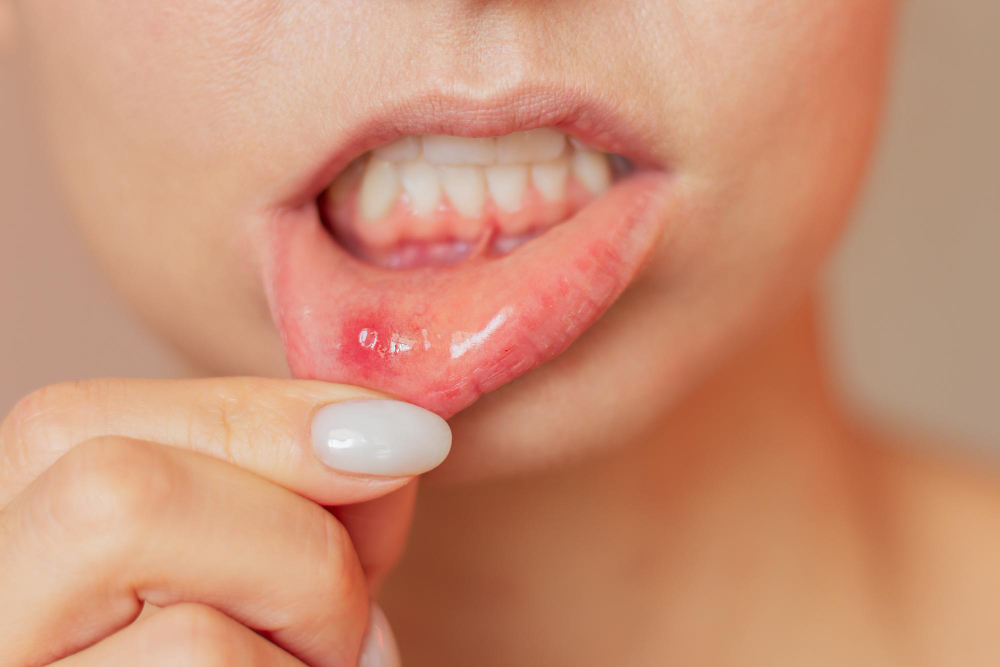
Oral ulcers are small sores that form inside the mouth. These mouth sores can cause pain and make eating or talking hard. Because oral ulcers are common, many people will have them at some point. Often, they heal on their own, but sometimes they need treatment. Understanding oral ulcers can help you manage symptoms and know when to seek care. In this guide, we will explain the symptoms, causes, diagnosis, and treatment options for oral ulcers. We will also share tips to help prevent them.
What Are Oral Ulcers?
Oral ulcers are open sores that appear inside the mouth. They can develop on the cheeks, lips, tongue, or gums. Usually, they are round or oval with a white or yellow center and a red border. While most oral ulcers are not serious, they can be painful.
There are a few common types of oral ulcers:
Symptoms of Oral Ulcers
Oral ulcers can cause several symptoms. For example, you might notice pain or discomfort in your mouth. Below are common signs to watch for:
Because symptoms can vary, it is important to pay attention to any changes in your mouth.
Causes of Oral Ulcers
Many things can cause oral ulcers. Sometimes, the exact cause is not clear. However, several common triggers and risk factors are known. For instance, injury to the mouth from biting, dental work, or braces can lead to sores. Stress is another common trigger. In addition, certain foods like citrus fruits, spicy foods, or nuts can cause irritation.
Other possible causes and risk factors include:
Because oral ulcers can have many causes, it helps to track any patterns or triggers.
How Oral Ulcers Are Diagnosed
Doctors usually diagnose oral ulcers by looking at the sores and asking about your symptoms. Often, no special tests are needed. However, if ulcers last longer than two weeks or keep coming back, your doctor may want to check for other problems.
Diagnostic steps can include:
Sometimes, a biopsy may be needed if the sore looks unusual. If you have severe pain, trouble eating, or sores that do not heal, you should see a healthcare provider.
Treatment Options for Oral Ulcers
Most oral ulcers heal on their own within one to two weeks. Still, treatment can help reduce pain and speed up healing. For mild cases, home remedies are often enough. For example, you can rinse your mouth with salt water or use ice chips to ease discomfort.
Common home remedies include:
Over-the-counter treatments are also available. These may include gels, creams, or mouthwashes that numb pain or protect the sore. If the ulcer is severe or does not heal, your doctor may prescribe stronger medicine. Prescription options can include steroid gels or mouth rinses.
In rare cases, if ulcers are linked to another health problem, treating that condition can help the sores heal.
Prevention and Lifestyle Tips
Preventing oral ulcers is possible with a few simple steps. First, practice good oral hygiene. Brush your teeth gently and use a soft-bristled brush. Next, avoid foods that trigger your sores, such as citrus fruits or spicy snacks.
Other helpful tips include:
Because some people are more prone to mouth sores, these steps can lower your risk. If you live in an area with limited dental care, try to maintain good oral hygiene at home. By following these tips, you can help prevent oral ulcers and keep your mouth healthy.
Conclusion
If you have mouth sores that do not heal or cause pain, Dr Sneha Goud can help. Book a consultation today to get the right care and advice for your oral health.