
What Is a Cracked Filling?
Dental fillings help fix teeth that have cavities or damage. Sometimes, these fillings can break or crack. A cracked filling means the material used to repair your tooth has split or chipped. As a result, your tooth may not be fully protected. This can lead to more problems if not treated. Dentists often see cracked fillings during regular checkups. Early care can help prevent bigger dental issues.
Common Causes of Cracked Fillings
Many things can cause a dental filling to crack. For example, biting down on hard foods can put too much pressure on a filling. Over time, fillings may also wear out. In addition, teeth grinding at night can stress fillings. Sometimes, changes in temperature from hot or cold foods can make fillings expand and contract. This movement may cause cracks. Here are some common causes:
Signs and Symptoms of a Cracked Filling
It is important to notice the signs of a cracked dental filling early. Often, you may feel or see changes in your tooth. Watch for these warning signs:
Risks of Ignoring a Cracked Filling
Ignoring a cracked filling can lead to bigger dental problems. For instance, bacteria can enter the crack and cause decay. Over time, this may lead to infection or an abscess. Sometimes, the tooth can break further or become painful. In rare cases, untreated cracks can cause tooth loss.
Diagnosis: How Dentists Identify a Cracked Filling
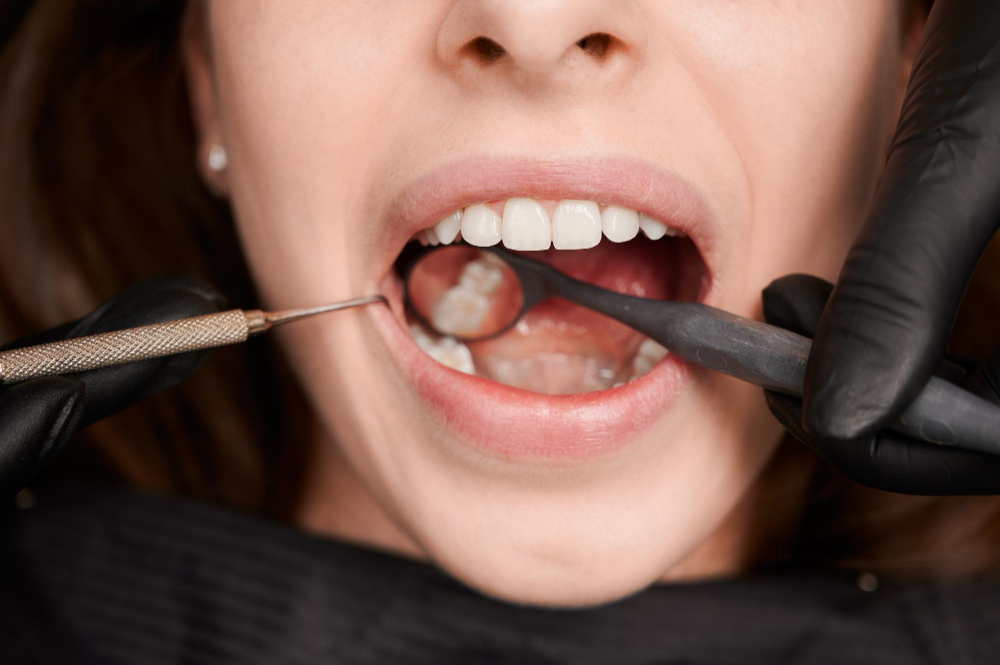
Dentists use several methods to find a cracked filling. First, they ask about your symptoms and check your mouth. Next, they may use a small mirror to look for visible cracks. Sometimes, they use a dental explorer, which is a special tool, to feel for rough edges. In addition, X-rays can help spot hidden cracks or decay under the filling. Dentists may also use a bright light or dye to highlight cracks. With these tools, your dentist can decide the best way to fix the problem.
When Should a Cracked Filling Be Replaced?
Not all cracked fillings need to be replaced right away. However, if you have pain, sensitivity, or visible damage, replacement is often needed. Dentists look at several factors before deciding:
Usually, if the crack puts your tooth at risk, your dentist will suggest a dental filling replacement soon. Early care can help avoid more serious dental work later.
Treatment Options for Cracked Fillings
Treatment depends on how bad the crack is. Sometimes, your dentist can repair a small crack with new filling material. If the crack is large, the old filling may need to be removed and replaced. In some cases, a dental crown may be needed for extra strength. Dentists use different materials, such as composite resin, amalgam, or porcelain. Each material has its own benefits. Your dentist will help you choose the best option for your needs. For deep cracks, a root canal may be needed before placing a new filling or crown.
Prevention Tips for Future Fillings
While fillings can last many years, there are ways to help prevent cracks. First, avoid chewing hard foods or ice. Next, wear a mouthguard if you grind your teeth at night. Regular dental checkups help catch problems early. In addition, brush and floss daily to keep your teeth and fillings healthy. Try to avoid very hot or cold foods in quick succession. With these simple steps, you can help your fillings last longer and keep your smile healthy.
Conclusion
If you notice pain or changes in your filling, do not wait. Schedule a visit with Dr Sneha Goud to keep your teeth healthy and prevent further problems. Your smile deserves gentle care.