
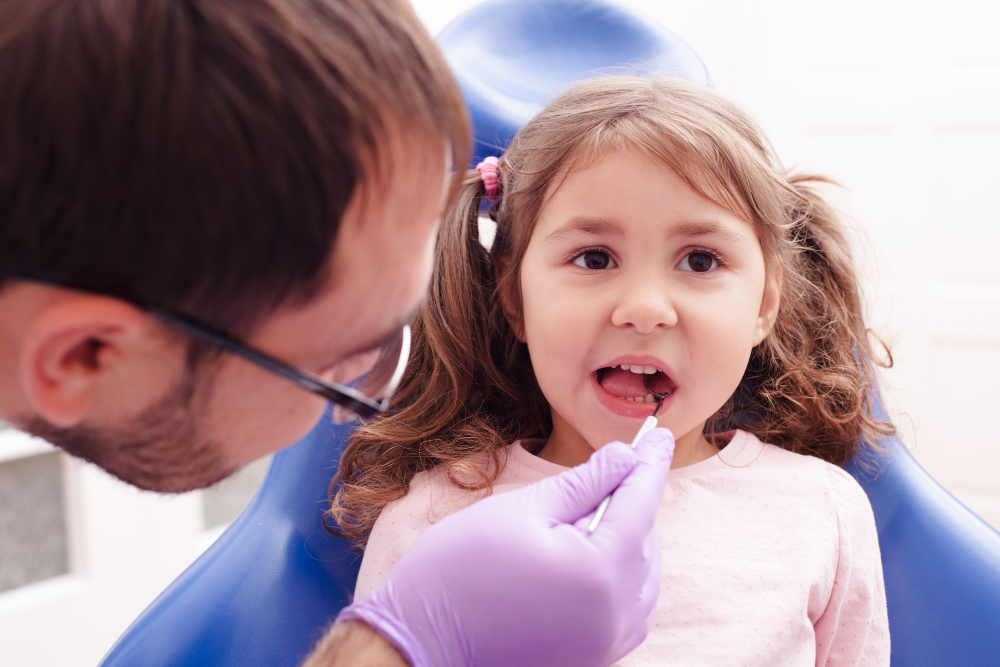
What Are Dental Cavities in Kids?
Kids dental cavities prevention is important for every family. Cavities are small holes in teeth caused by tooth decay. In children, these holes can grow quickly. For this reason, early care is vital. Cavities can affect both baby and adult teeth. Although baby teeth fall out, they are still important for eating and speaking. Tooth decay happens when germs in the mouth make acids. These acids slowly break down the tooth surface. Over time, this leads to cavities.
Common Symptoms of Cavities in Children
Sometimes, cavities in kids do not cause pain at first. However, there are signs parents can watch for. Early detection helps prevent bigger problems. Look for these symptoms:
For example, if your child avoids certain foods, a cavity may be the reason. If you notice any of these signs, schedule a dental checkup soon.
Main Causes of Dental Cavities in Kids
Many things can cause cavities in children. First, sugary foods and drinks feed germs in the mouth. These germs make acids that harm teeth. Second, poor brushing and flossing leave food on teeth. This lets germs grow. Third, skipping regular dental visits can let small problems get worse. In addition, some children may have weaker tooth enamel. This makes them more likely to get cavities. According to the CDC, cavities are one of the most common chronic diseases in kids.
How Cavities Are Diagnosed in Children
Early diagnosis is key for kids dental cavities prevention. Dentists check for cavities during regular visits. Usually, they look at the teeth and gums. Sometimes, they use special tools to find soft spots. X-rays can show hidden cavities between teeth. If a cavity is found, the dentist will explain the best treatment. Because early treatment is easier, regular checkups are important for every child.
Effective Prevention Tips for Parents
Parents play a big role in kids dental cavities prevention. You can help your child avoid cavities by following these tips:
For best results, make these steps part of your daily routine. The CDC and WHO recommend these practices for strong, healthy teeth.
Healthy Oral Hygiene Habits for Kids
Good habits help prevent cavities and keep smiles bright. Even young children can learn simple routines. For example, use a soft toothbrush and a pea-sized amount of toothpaste. Teach your child to brush all sides of each tooth. After brushing, spit out the toothpaste but do not rinse with water. This keeps the fluoride on the teeth longer. Supervise brushing until your child can do it well alone. In addition, flossing removes food from between teeth where brushes cannot reach. Make brushing and flossing fun by using songs or stickers as rewards.
Dietary Guidance to Prevent Cavities
What your child eats affects their teeth. For kids dental cavities prevention, choose healthy snacks. Offer fresh fruits, vegetables, cheese, and yogurt. These foods help protect teeth. Limit candy, cookies, and sugary drinks. If your child wants a sweet treat, serve it with a meal instead of as a snack. Meals make more saliva, which helps wash away sugar. Encourage drinking water, especially if it has fluoride. According to dental experts, a balanced diet supports strong teeth and gums.
When to Visit a Pediatric Dentist
Regular visits to a pediatric dentist are important for children’s oral health. The American Academy of Pediatric Dentistry says children should see a dentist by their first birthday. After that, visit every six months. However, if your child has tooth pain, swelling, or spots on their teeth, make an appointment right away. Early visits help spot problems before they get worse. Dentists can also give advice on the best ways to stop tooth decay in kids and answer your questions about how to prevent cavities in children. Consult Dr Sneha Goud for dental care.