
Introduction
Many people want a brighter, more attractive smile. Two popular cosmetic dentistry options are dental veneers and teeth whitening. Both treatments can improve how your teeth look. However, they work in different ways. This blog will help you understand Dental Veneers vs Teeth Whitening. We will explain what each treatment involves, compare their benefits, and help you decide which is best for your smile enhancement goals.
What Are Dental Veneers?
Dental veneers are thin shells made from porcelain or resin. Dentists place them on the front of your teeth. Usually, they cover stains, chips, or gaps. The process often takes two visits. First, your dentist prepares your teeth and takes impressions. Then, they bond the custom veneers to your teeth.
According to the American Dental Association (ADA), veneers are safe and effective when placed by a trained dentist.
What Is Teeth Whitening?
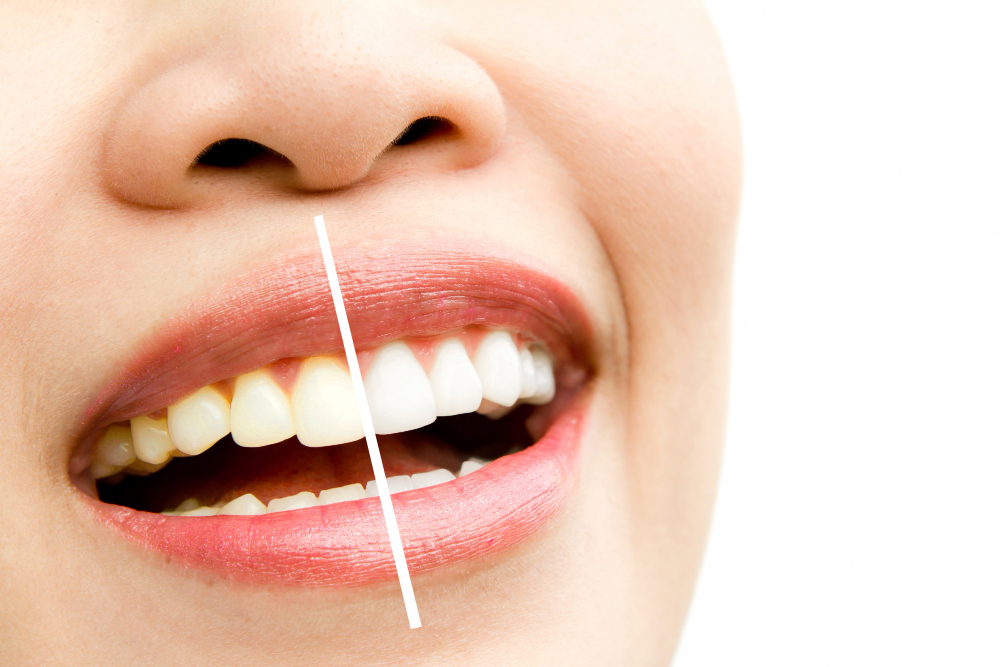
Teeth whitening is a process that lightens the color of your teeth. It removes stains from foods, drinks, or smoking. There are two main methods. In-office whitening is done by a dentist and gives fast results. At-home kits use trays or strips and take longer.
The CDC and ADA recommend professional teeth whitening for the safest and best results.
Comparing Dental Veneers and Teeth Whitening
Both treatments can improve your smile. However, they differ in several ways. Here is a simple comparison:
FeatureDental VeneersTeeth WhiteningEffectivenessCovers stains, chips, and gapsLightens natural tooth color onlyLongevity10-15 years with careSeveral months to 3 yearsCostHigher, per toothLower, for full mouthSafetySafe with dentistSafe with dentist, mild side effectsSuitabilityFor more severe flawsFor mild to moderate stains As you can see, each option has unique strengths. For example, veneers fix more than just color. Whitening is best for those who want a brighter shade quickly.
Pros and Cons of Each Option
Dental Veneers
Teeth Whitening
How to Choose the Right Option for Your Smile
Choosing between professional teeth whitening vs veneers depends on your needs. First, think about your dental health. If you have only mild stains, whitening may be enough. However, if you have chips or gaps, veneers might work better. Also, consider your budget. Veneers cost more but last longer. Teeth whitening is less expensive but may need touch-ups. Most importantly, talk to a cosmetic dentist near you. They can check your teeth and suggest the best way to whiten teeth or improve your smile.
Frequently Asked Questions (FAQs)
Conclusion
Both dental veneers and teeth whitening can enhance your smile. Each has its own benefits and drawbacks. Therefore, it is important to consider your dental health, goals, and budget. For the best advice, consult a qualified dentist Dr. Sneha Goud to help you choose the right cosmetic dentistry option for your smile enhancement.