
Introduction
Dental implants are the closest thing to your natural tooth. They offer a strong, long-lasting solution for missing teeth. Many people choose dental implants because they look and feel like real teeth. In fact, dental implants are a top choice for natural-looking tooth replacement. If you want to restore your smile, dental implants may be the answer. This guide explains what dental implants are, how they work, and why they are so popular.
What Are Dental Implants?
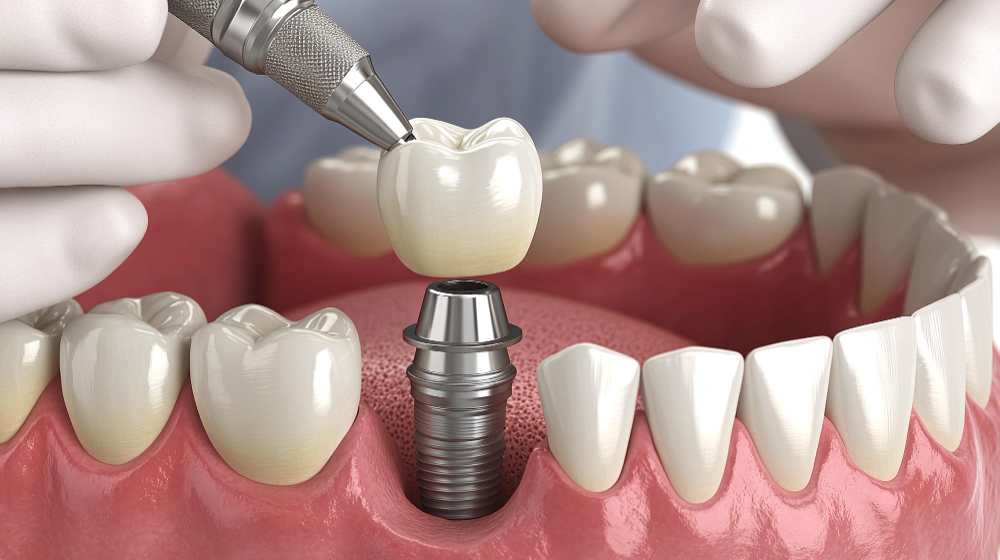
Dental implants are small posts made of titanium or similar materials. Dentists place them into your jawbone to act as new roots for missing teeth. After the implant is placed, a crown (artificial tooth) is attached on top. As a result, the implant holds the crown firmly in place. Dental implants can replace one tooth, several teeth, or even all teeth.
How Dental Implants Mimic Natural Teeth
Unlike dentures or bridges, dental implants work much like real teeth. First, the implant fuses with your jawbone. This process is called osseointegration. Because of this, the implant becomes very stable. Next, a crown is placed on the implant. The crown is shaped and colored to match your other teeth. Therefore, dental implants look and feel natural. You can eat, speak, and smile with confidence.
Benefits of Dental Implants
Dental implants offer many advantages over other tooth replacement options. For example, they:
In addition, dental implants do not require grinding down nearby teeth, unlike some bridges. According to the American Dental Association, dental implants have a high success rate and are safe for most adults.
Who Is a Good Candidate for Dental Implants?
Most healthy adults can get dental implants. However, you need enough bone in your jaw to support the implant. Good oral hygiene is also important. You may be a good candidate if you:
Even if you have lost some bone, your dentist may suggest bone grafting. This can help prepare your jaw for an implant. Always talk to your dentist to see if dental implants are right for you.
The Dental Implant Procedure: Step by Step
The dental implant process usually takes several months. Here are the main steps:
Because healing takes time, you may get a temporary tooth during the process. Your dentist will guide you through each step.
Caring for Dental Implants
Proper care helps your dental implants last longer. For best results, follow these tips:
With good care, dental implants can last many years or even a lifetime.
Risks and Considerations
Dental implants are safe for most people. Still, as with any surgery, there are some risks. These may include:
However, most problems can be treated quickly. Choosing a skilled dentist lowers your risk. Always follow your dentist’s instructions for the best outcome.
Frequently Asked Questions
Conclusion
Dental implants are the closest thing to your natural tooth. They look, feel, and work like real teeth. If you want a strong, lasting solution for missing teeth, dental implants may be right for you. Consult Dr Sneha Goud to find out if dental implants are right for you.