
Introduction: What Are Braces and Why Are They Used?
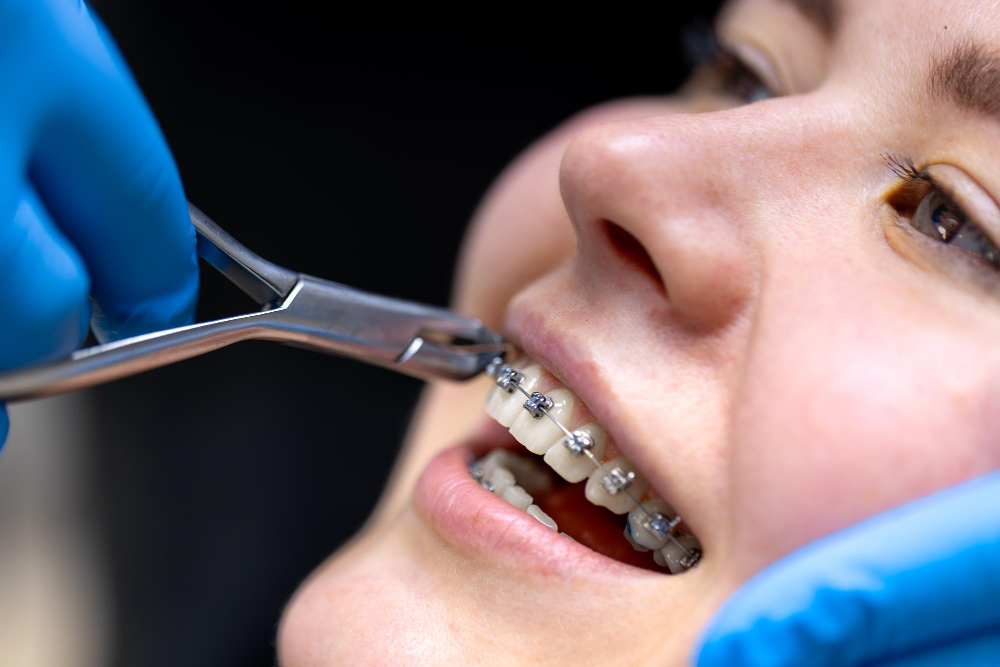
Braces are dental devices that help straighten teeth and fix bite problems. Many people get braces to improve their smile and oral health. Often, braces are used for children and teens, but adults can benefit too. Because braces move teeth slowly, they can correct crowded, crooked, or spaced teeth. According to the American Association of Orthodontists, braces also help prevent future dental issues. In this guide, you will learn all about braces and how they work.
Dental Issues That May Require Braces
Some dental problems make braces necessary. For example, you may need braces if you have:
Because these issues can affect chewing and speech, braces can help improve both function and appearance.
Causes of Misaligned Teeth
There are many reasons why teeth may not line up. Sometimes, genetics play a big role. If your parents had crooked teeth, you might too. Other causes include:
Because these factors can affect how teeth grow, early dental visits are important.
Diagnosis and Assessment for Braces
First, a dentist or orthodontist will check your teeth and bite. Usually, they take X-rays and photos to see how your teeth fit together. Next, they may make a mold of your teeth. After reviewing the results, your dental specialist will decide if braces are needed. Sometimes, they will discuss different treatment options with you. According to the CDC, early assessment can help prevent bigger problems later.
Types of Braces
Today, there are several types of dental braces. Each type has its own benefits. Here are the most common options:
Your orthodontist will help you choose the best type for your needs.
Treatment Process: What to Expect Before, During, and After Braces
Before getting braces, your dentist will clean your teeth and may remove some if needed. Next, they will place the braces or fit you for aligners. During treatment, you will visit the orthodontist every few weeks. At each visit, they will adjust your braces or give you new aligners. Because teeth move slowly, treatment usually lasts from one to three years. After braces come off, you may need to wear a retainer. This helps keep your teeth in their new position.
Lifestyle Guidance: Caring for Braces
Proper care is important during braces treatment. Here are some tips:
Because braces can trap food, good oral hygiene prevents cavities and gum problems. If you follow these steps, your treatment will go more smoothly.
Prevention and Early Intervention
Early dental visits can help spot problems before they get worse. The American Dental Association suggests children see a dentist by age seven. If issues are found early, treatment may be easier and shorter. Sometimes, simple changes like stopping thumb sucking can prevent the need for braces. Because prevention is key, regular checkups are important for everyone.
Frequently Asked Questions About Braces
Conclusion
Braces can help you achieve a healthy, beautiful smile. Because every mouth is different, it is best to talk to a dental specialist. Consult a dental specialist Dr. Sneha Goud to find out if braces are right for you.