
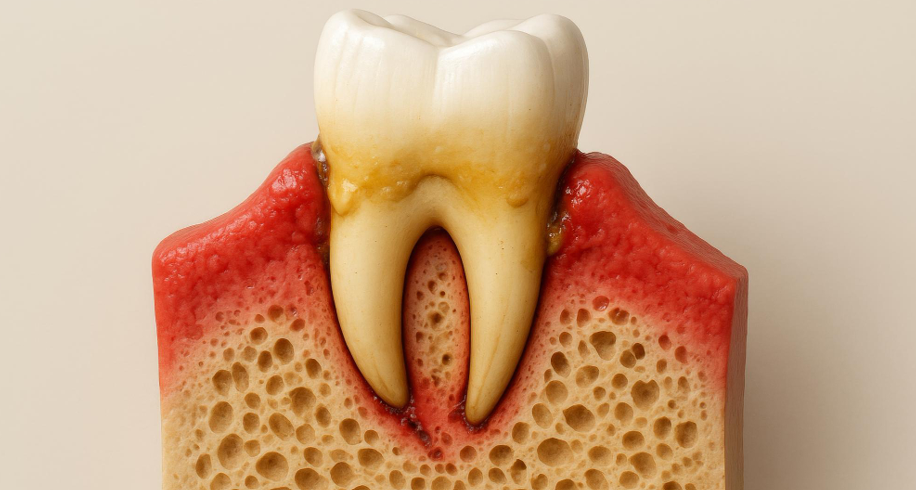
Introduction to Periodontal Diseases (Gum Diseases)
Periodontal diseases, also called gum diseases, affect the tissues that support your teeth. These tissues include your gums and the bone around your teeth. In fact, gum diseases are common and can lead to tooth loss if not treated. According to the CDC, almost half of adults over 30 have some form of periodontal disease. Early care can help prevent serious problems. For those seeking gum disease care in your area, understanding the basics is the first step.
Symptoms of Periodontal Diseases
It is important to know the signs of gum disease. Early symptoms are often mild, but they can get worse over time. For example, you may notice:
However, sometimes gum disease has no clear symptoms. Therefore, regular dental check-ups are important.
Causes and Risk Factors
Gum diseases start when bacteria in your mouth form a sticky film called plaque. If you do not remove plaque, it can harden into tartar. This can lead to infection and damage. Several factors increase your risk, such as:
Because these risks add up, taking care of your mouth every day is key.
Diagnosis Methods
Your dentist can check for periodontal diseases during a dental visit. First, they will look at your gums and teeth. Next, they may use a small tool to measure the space between your teeth and gums. Healthy gums fit snugly, but gum disease can cause deeper spaces. Sometimes, X-rays help check bone loss. Early diagnosis makes treatment easier and more effective.
Treatment Options
Treatment for periodontal disease depends on how severe it is. For mild cases, better brushing and flossing may help. However, more advanced gum disease may need professional care. Common treatments include:
Because early treatment works best, do not wait if you notice symptoms. Periodontal disease treatment can save your teeth and improve your health.
Prevention Tips
Preventing gum disease is possible with good habits. For example, you can:
Because prevention is easier than treatment, these steps matter every day.
Lifestyle and Oral Hygiene Guidance
Healthy gums need daily care. First, use a soft-bristled toothbrush and change it every three months. Next, brush gently along the gum line. In addition, use dental floss or special brushes to clean between teeth. If you have trouble flossing, ask your dentist for tips. Drinking water after meals can help wash away food and bacteria. Moreover, eating crunchy fruits and vegetables can help keep your gums strong. For those with diabetes or other health issues, managing your condition can also protect your gums.
When to See a Dentist
See your dentist if you notice any signs of gum disease. For example, bleeding gums, bad breath, or loose teeth are warning signs. Even if you have no symptoms, regular dental visits are important. Early care can prevent tooth loss and other health problems. If you are looking for gum disease care in your area, ask your dentist about your risk and the best ways to protect your smile.
In summary, healthy gums are vital for your overall health. Consult a dentist Dr Sneha Goud for personalized advice on gum health.